Search
close X


【学术讲座】全球格局分化中的社会心理视角
发布时间:2026-11-17
The Human Side of Global Fracturing
讲座信息 | INFORMATION
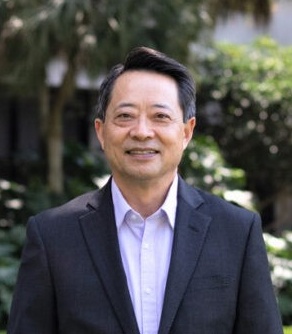
讲者:陆亚东(Yadong Luo)教授(迈阿密大学商学院)
时间:2026年12月3日(周四) 10时
地点: 同济大厦A座510教室
讲座摘要 | ABSTRACT
Global fracturing is commonly explained through geopolitical rivalry, geo-economic competition, and institutional fragmentation, yet its human side remains largely overlooked. In this presentation, I shift attention to the sociopsychological forces that shape how individuals, groups, and societies perceive other nations, foreign businesses, and globalization itself. I highlight four interrelated forces—ideological prejudice, nationalistic identity, cultural supremacism, and antiglobalization sentiment—that fuel distrust, reinforce geopolitical divisions, and accelerate global decoupling. I'll also explain how these forces interact with geopolitical tensions in a reinforcing cycle, making global fracturing more deeply rooted and difficult to reverse. Turning to multinational enterprises, I examine how competing national, cultural, ideological, and organizational identities challenge cross-border trust, cooperation, and organizational cohesion. I'll then illustrate multiculturalism, geo-cultural intelligence, corporate responsibility, and stronger organizational identification as pathways for MNEs to navigate sociopsychological divisions and bridge fragmented societies. By bringing the human side of global fracturing into sharper focus, I hope to open new directions for international business scholarship that connect sociopsychological mechanisms with global strategy, organizational behavior, and the evolving responsibilities of MNEs in a fractured world.
讲者介绍 | GUEST BIO
Yadong Luo is the Emery M. Findley Distinguished Chair and Professor of Management at the University of Miami Business School, and a Fellow of the Academy of Management and Academy of International Business. A leading international business scholar since the mid-1990s, he has published over 200 journal articles (60+ in UTD top journals), 20+ books, and nearly 100 other works. His research covers global strategy, international management, and emerging-market firms, with foundational studies on springboard theory, global co-opetition, digital globalization, and cross-cultural management. He ranks highly globally for research impact, with nearly 62,000 Google Scholar citations and an H-index of 118. He earned his PhD from Temple University, previously served as a senior editor for JIBS and JWB, and holds honorary professorships across Asian business schools.